
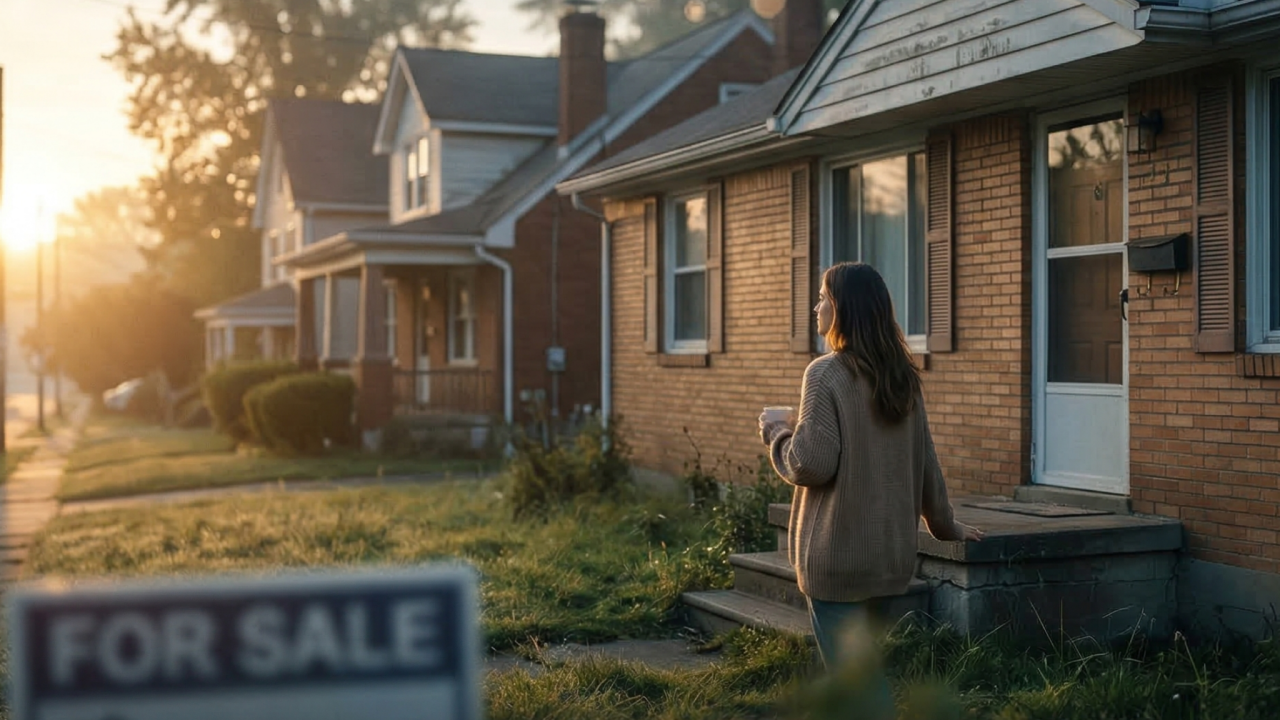
Realtors, Do Your Buyers Know the Difference?
The loan that investors have been using to build wealth? There's now a version built for the buyer who wants to build a home — and a future.
Realtors, when was the last time a first-time buyer actually won on a fixer-upper? Here's why the game has been rigged, and how that's changing.
You've seen it happen dozens of times. A worn-in ranch sits at a discount. An investor snaps it up with a fix-and-flip loan, swaps in granite counters and vinyl floors, and lists it $80,000 higher. An entry-level buyer the one who actually wanted to live there ends up paying every penny of the investor's carrying costs, points, and profit margin baked into that new price.
But what if the first-time buyer could do exactly what the investor does, buy the discounted fixer-upper, finance the renovation, and keep the equity? That's the Fix & Live loan.
The Core Difference
The mechanics are nearly identical. One loan wraps the purchase price and the renovation budget together. The difference is everything that happens after: the rate you pay, the money you put down, and who walks away with the upside.
Fix & Flip Loan (Investor)
Fix & Live Loan (First-Time Buyer)
"The Fix & Live loan gives a first-time buyer the same purchasing power as an investor at a fraction of the cost."
Why This Matters Right Now
The numbers tell a sobering story:
The housing market has been starved of affordable inventory, and first-time buyers are paying the price. They're competing against cash-flush baby boomers and investors with access to capital they simply don't have. The result? Buyers are spending an entire decade longer than their parents did on the ownership sideline.
Meanwhile, listings are sitting. Days on market are climbing. Older homes with the most price flexibility and renovation potential are accumulating on the MLS in markets all across the Midwest and Northeast.
This is the window.
Where the Opportunity Is: 10 Markets to Watch
These markets share two traits: a large inventory of homes over 50 years old, and improving affordability for entry-level buyers. They're exactly where Fix & Live financing is most powerful.
1. Buffalo, NY — Oldest housing stock in the country. Median home built 1957. 84% of homes predate 1960. Improving affordability scores.
2. Pittsburgh, PA — Median home 68 years old. 80% of sold homes are 30+ years old. Strong affordability; one of the most improved markets in 2025.
3. Cleveland, OH — Median housing age of 65 years. Just 1% of homes built since 2020. Significant fixer-upper inventory at entry-level price points.
4. Detroit, MI — Over 80% of homes built before 1960. Deep discount inventory available for renovation-ready buyers.
5. Baltimore, MD — 72% of homes built before 1960. Classic rowhouse stock with significant renovation potential and improving neighborhood values.
6. Springfield, MA — 50% of homes predate 1960. 84% of sold stock is 30+ years old. Affordability improving despite strong price appreciation since 2020.
7. St. Louis, MO — 77% of homes built before 1960. Large supply of aging single-family inventory at accessible price points.
8. Chicago, IL — Oldest housing stock among the top 10 metros. 46% of homes built before 1940. Median listing price ~$245K — still accessible.
9. Philadelphia, PA — 55% of homes built before 1950. Median listing price ~$165K — one of the most affordable large metros in the country.
10. Indianapolis, IN — Growing Midwest market with a strong job base and genuine affordability. Economists flagging it as a breakout market for 2026 buyers.
What This Means for Realtors
Those aging listings sitting on your MLS? They aren't failures, they're opportunities in disguise, waiting for a buyer with the right financing.
Fix & Live changes your pitch entirely. Instead of steering first-time buyers toward move-in-ready homes they can barely afford, you can open a whole new category: the discounted fixer-upper, fully financed with renovation dollars baked in.
Your buyer gets to choose the paint, the flooring, the cabinets, the countertops. The home becomes theirs before they ever move in. They build equity from day one instead of paying for an investor's profits. And you close deals on listings that have been sitting, which benefits everyone in the transaction.
Let's help our kids become homeowners. Let's help them create clean, safe, comfortable homes that are actually affordable. The tool exists. The inventory exists. The rate environment is the most favorable it's been since 2022.
The question isn't whether your buyers can afford to renovate. The question is whether they know they can. Will you be the one to tell them?
Want to Learn More?
Download the free guide "Fix & Live Renovation Financing" — everything your buyers need to know: eligibility, how it works, what to look for in a fixer-upper, and how it compares to traditional financing.
Click here to download the free guide at www.Ready4Remodel.com
Are you a Realtor who's afraid of renovation financing? You're not alone, tell me why below. Share your horror story in the comments... I'd love to hear them.